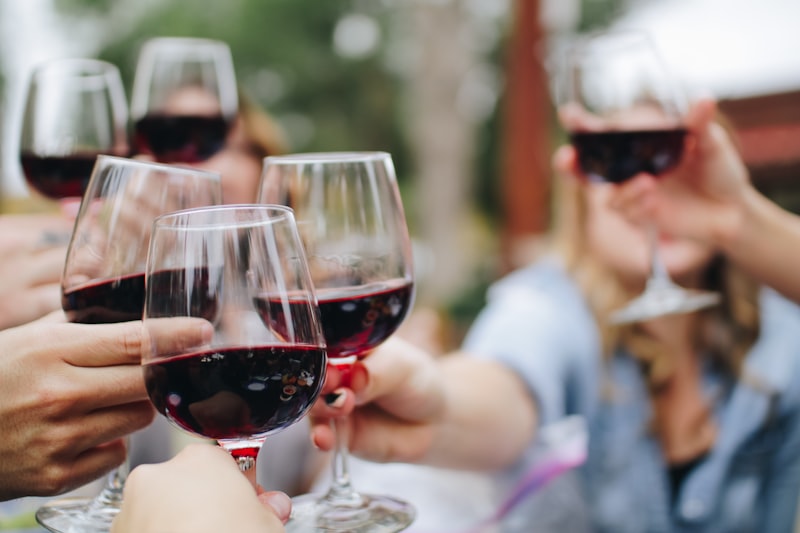
Wine tasting has gotten complicated with all the pretentious advice flying around. As someone who spent years working in wine retail and tasting rooms, I learned everything there is to know about what the swirl-sniff-sip ritual actually accomplishes. Today, I will share it all with you.
[foxdog-disclosure]
Why Your Nose Matters More Than Your Mouth
Here’s something most people don’t realize: your taste buds only detect five things – sweet, sour, salty, bitter, and umami. That’s it. All the fruit, flowers, earth, and oak you perceive in wine? That comes from your nose.
The tasting ritual exists to maximize what your nose can catch. Once I understood this, wine tasting stopped feeling pretentious and started feeling practical.
Looking at Wine Actually Tells You Something
Hold the glass against a white background and tilt it. Here’s what you’re actually learning:
- Color intensity: Pale wines are usually lighter-bodied. Deep colors suggest concentration and often more flavor.
- Color hue: Purple-red means young. Brick-red means aged. Pale gold is young white wine; deep gold means older or oak-aged.
- Clarity: Cloudiness usually indicates natural winemaking. Rarely it means problems, but you’ll know by the smell.
Probably should have led with this section, honestly. Looking takes two seconds but sets your expectations for everything that follows.
Why We Swirl (It’s Not Showing Off)
Swirling exposes wine to air and releases aromatic compounds. The larger surface area and motion help volatile molecules escape into the glass where your nose can actually find them.
My technique: rest the glass base on the table and make small circles. Swirling in the air looks impressive but ends badly when your shirt is white. Ask me how I know.
Smelling Wine Without Feeling Ridiculous
Stick your nose right into the glass. Don’t be shy – wine glasses are literally designed for this. The shape of a proper tasting glass like the Riedel Vinum funnels aromatics upward, giving your nose maximum information from each swirl. Take short sniffs rather than long inhales. Long inhales overwhelm your receptors and you end up smelling nothing.
What I’m looking for:
- Primary aromas: Fruit, flowers, herbs – these come from the grape variety itself
- Secondary aromas: Yeast, butter, bread – these develop during fermentation
- Tertiary aromas: Vanilla, tobacco, leather – these come from aging in oak or bottle
Don’t stress about naming every scent. I spent years tasting before I could reliably identify black currant versus blackberry. Just pay attention to what you smell. The vocabulary develops naturally.
Actually Tasting the Wine
Take a sip and let it coat your entire mouth. Now here’s the controversial part: swishing and even slurping aerates wine in your mouth and releases more aromatics.
You’ll look ridiculous. You’ll also taste more. That’s what makes this technique endearing to us wine nerds – we’ve accepted looking silly in exchange for tasting better.
What I’m noticing when I taste:
- Sweetness: Sensed at the front of your tongue, immediately obvious
- Acidity: Makes your mouth water. Think lemonade without sugar.
- Tannin: That drying sensation, especially with red wines. Like over-steeped tea.
- Body: How heavy the wine feels – skim milk versus whole milk
- Finish: How long flavors stick around after swallowing
The Part Most People Skip
After swallowing (or spitting at formal tastings), pause. What’s your overall impression? Did the wine seem balanced, with no single element dominating? Would you actually want another glass?
This reflection separates tasting from drinking. Both are perfectly valid – but tasting teaches you something about what you like and why.
Building a Wine Vocabulary That Doesn’t Sound Fake
Wine language sounds absurd until you realize it’s just describing sensory experience. “Notes of blackcurrant” means it smells like blackcurrant. “Hint of vanilla” means you detect vanilla aroma.
Trust what you actually perceive. If a wine smells like grape jelly to you, say grape jelly. The fancy vocabulary comes later, if you want it. Nobody is born knowing wine terminology, and plenty of excellent tasters keep their descriptions simple. If you want to accelerate your learning, Wine Folly: The Essential Guide to Wine uses visual infographics to map grape varieties, flavor profiles, and tasting terminology in a way that actually sticks.
The goal isn’t impressing anyone. The goal is paying attention to what’s in your glass – and enjoying it more because you’re actually tasting it.

Stay in the loop
Get the latest pairing with wine updates delivered to your inbox.