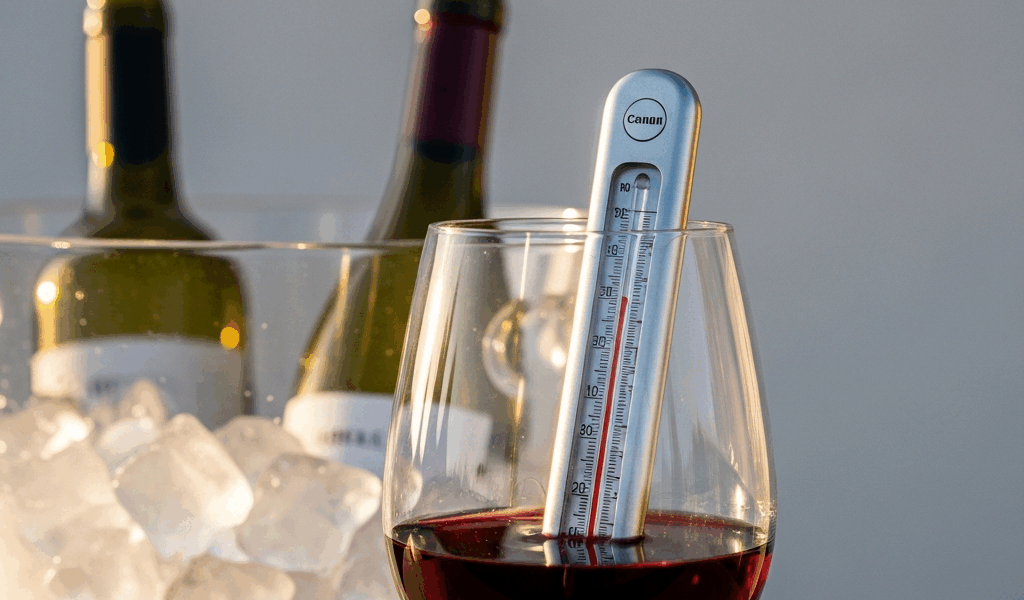
The Short Answer — Yes, Slightly Chill Your Malbec
Malbec has gotten complicated with all the conflicting serving advice flying around. Chill it. Don’t chill it. Room temperature is fine. Room temperature is wrong. Here’s what I actually know: yes, you should chill your Malbec — slightly. This is probably the most practical wine tip I’ve ever stumbled onto, and it took me an embarrassingly long time to figure it out.
The sweet spot sits between 60 and 65 degrees Fahrenheit. That’s colder than what most of us call “room temperature” — which, in a centrally heated home, usually runs somewhere around 70 to 75 degrees. That gap matters more than people expect.
The fix is simple. Pull your bottle from the cupboard, slide it into the fridge for 15 to 20 minutes, then pour. That’s it. No expensive wine chillers. No temperature-control gadgets. Your regular refrigerator handles this perfectly fine.
I found this out the embarrassing way. For years — honestly, too many years — I served red wine at whatever temperature it happened to be sitting at in my apartment. I genuinely believed warmer was better, fancier somehow. Then I visited a small shop in Mendoza during a trip to Argentina. The sommelier, a patient woman named Claudia, handed me the exact same Malbec I drank at home every other weekend — except she’d chilled it properly. Same wine. The difference was immediate and kind of humbling. The tannins weren’t aggressive anymore. The fruit actually showed up. Plum, blackberry, dark cherry — all of it. I’d been drinking a muted version of my own wine for years without knowing it.
A light chill changes how Malbec behaves in the glass. It softens the alcohol burn that gets obvious when the wine is too warm. It makes the whole thing more refreshing. These aren’t subtle differences you need a trained palate to detect — even casual drinkers pick up on it immediately. Don’t make my mistake and spend years skipping this step.
Serving Temperature by Red Wine Type
Not all reds want the same temperature. The general rule tracks the weight of the wine — lighter wines colder, heavier wines slightly warmer. Here’s what actually works in practice:
| Wine Type | Examples | Ideal Temperature |
|---|---|---|
| Light reds | Pinot Noir, Beaujolais, Grenache | 55–60°F |
| Medium reds | Malbec, Merlot, Sangiovese | 60–65°F |
| Full-bodied reds | Cabernet Sauvignon, Syrah, Barolo | 63–68°F |
Pinot Noir is the most temperature-sensitive of the bunch. Delicate flavors — the whole reason people love it — start disappearing when things get warm. At 55 to 60 degrees, it’s vibrant and silky. Push past that and you lose what makes it interesting. That’s what makes Pinot Noir endearing to us wine drinkers — and also frustrating, because it’s so easy to accidentally wreck.
Malbec sits in the middle. Substantial enough to hold up at 60 to 65 degrees without losing character, but not so heavy that it needs warmth to open up. Merlot and Sangiovese land in the same range and respond the same way.
Cabernet Sauvignon and other big reds tolerate more warmth. The structure and tannin in these wines actually benefit from a few extra degrees. A young, tannic Cab — the kind that’s almost chewy — works fine at 68 degrees. A mature bottle with softer tannins does better a few degrees cooler. Somewhere around 65 is usually the sweet spot.
Probably should have opened with this section, honestly. It’s the most useful information in the whole piece. But I learned it backward — trial and error first, actual understanding later — so here we are.
Why Most People Serve Red Wine Too Warm
The “serve red wine at room temperature” rule is old. It’s also wrong for how most of us live now.
But what is “room temperature,” exactly? In essence, it’s whatever temperature the room happens to be. But it’s much more than that — historically, it meant something very specific. The phrase originated in Europe before central heating was a thing. An unheated stone cellar or sitting room in 18th-century France hovered around 55 to 60 degrees Fahrenheit. Serving wine at “room temperature” accidentally meant serving it at the right temperature. Nobody was trying to be clever. The room just happened to be cold.
Modern heating changed everything. Frustrated by drafty, freezing homes, people gradually moved toward central heating systems — and over the next century, “room temperature” crept from 58 degrees to 72 degrees without the wine advice updating alongside it. We inherited rules that no longer applied to our actual rooms.
This new idea of warmer rooms took off several years later and eventually evolved into the wine-service standards enthusiasts know and debate today — except those standards never accounted for central heating. Nobody went back and corrected the original advice.
Warm red wine tastes objectively worse. The alcohol gets loud. Flavors flatten. You taste heat more than anything else. If you’ve ever described a red wine as “hot” or “burning” — that’s almost never a quality problem. It’s a temperature problem.
I tested this with a $25 grocery store Malbec sitting in my kitchen for an hour. At 75 degrees it was harsh, almost unpleasant. I chilled the remaining half-bottle for 20 minutes — brought it down to roughly 62 degrees — and poured another glass. Same wine. Completely different experience. Better fruit, better balance, actually enjoyable. Twenty minutes in a fridge. That’s the entire fix.
Quick Chill Methods That Actually Work
While you won’t need a dedicated wine cooler or professional cellar setup, you will need a handful of simple tools and about 20 minutes of patience. Here’s what works.
The Refrigerator Method
Easiest option by far. Put your Malbec in a standard refrigerator for 15 to 20 minutes. Most home fridges run between 35 and 40 degrees — a room-temperature bottle sitting in there for 15 minutes lands somewhere in the 58 to 62 degree range. That’s exactly where you want Malbec.
Set a timer on your phone. Seriously. I once chilled a bottle for what felt like 20 minutes — it was 45 — and ended up with wine that was too cold and needed another 10 minutes sitting on the counter to recover. Annoying waste of time that’s entirely avoidable.
The Ice Bucket Method
Fill a bucket with ice and cold water, submerge the bottle, wait about five minutes. The water matters — ice alone doesn’t conduct heat efficiently. Water fills the gaps between cubes and accelerates the whole process significantly. A 72-degree bottle hits roughly 60 degrees in five minutes with this method.
Good option when you’re entertaining and need wine ready fast. Just watch the clock. Five minutes is usually right. Push past that and the wine overshoots into too-cold territory, which means more waiting anyway.
Frozen Grapes as Ice Cubes
Frozen grapes might be the best option, as this method requires chilling without diluting. That is because grapes melt into grape juice rather than water — your wine stays exactly as it was, just cooler.
Wash fresh grapes — red or green, either works — spread them on a baking sheet, freeze overnight. Drop a few into your glass when you pour. They chill the wine, and as they soften they don’t water anything down.
Guests always notice this. It’s a small detail — took me maybe two minutes of actual effort — but it looks considered and intentional. One limitation: this works better by the glass than for chilling a full bottle. For bottles, stick with the fridge or ice bucket.
What to Avoid
First, you should skip the freezer — at least if you value both your wine and your patience. Freezers drop to 0 degrees. A bottle can hit 50 degrees or lower in 10 minutes, which overshoots badly and occasionally leads to partially frozen wine. That ruins the bottle entirely.
Don’t wrap the bottle in wet paper towels and stick it in the freezer thinking evaporative cooling will speed things up. It doesn’t. It makes a mess and wastes 10 minutes you could have used more productively.
Don’t put regular ice cubes directly in red wine unless you’re making a spritzer. Melting ice dilutes everything. The frozen grape method solves this cleanly.
Malbec Temperature Specifically
As someone who’s spent years drinking Malbec across different temperatures — mostly by accident — I learned everything there is to know about how forgiving this grape actually is. It tastes good anywhere from 58 to 68 degrees. That’s a wider window than Pinot Noir, which gets flabby fast if you push past 60. That’s what makes Malbec endearing to us casual wine drinkers — it’s genuinely hard to completely ruin.
Most Malbec comes from Argentina — Mendoza specifically. The best bottles, from producers like Luigi Bosca and Catena Zapata, have this combination of fruit-forward character and firm structure that really shows off at 60 to 65 degrees. At 55, the wine feels a little stiff and the tannins come across more aggressively than they should. At 65, the fruit takes center stage. At 72, the alcohol starts announcing itself and the whole thing feels flat.
For a $20 everyday Malbec — the kind you grab on a Tuesday — aim for around 62 degrees. For a premium bottle, something from an actual winery visit or a special occasion, go slightly cooler, 60 to 63 degrees. The extra complexity in those bottles shows better when they’re not fighting against warmth.
Temperature affects how much air your wine needs too. A warm Malbec needs less breathing time — it’s already expressing alcohol and volatiles aggressively. A properly chilled bottle actually benefits from 15 to 20 minutes open before you pour. Apparently this surprises people, but it makes a real difference.
Practical Temperature Testing
If you want to be precise about this — and honestly, once you start caring about serving temperature, you probably will — buy an instant-read thermometer. Something like the ThermoPro TempSpike runs about $30 and gives you exact readings in seconds. Stick the probe into the wine through the foil after you’ve partially opened the bottle.


Stay in the loop
Get the latest pairing with wine updates delivered to your inbox.