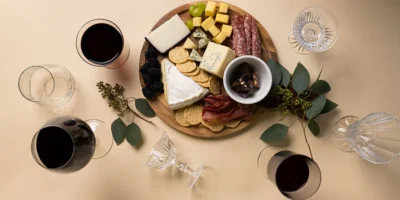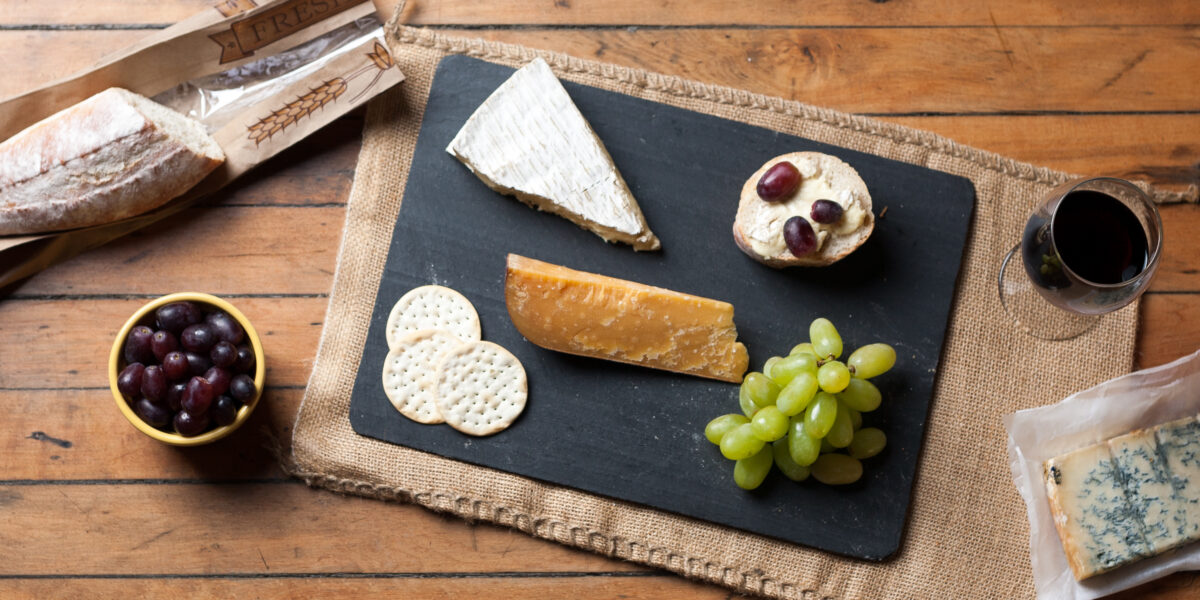
Cheese and wine pairing has gotten complicated with all the romantic advice flying around. As someone who stumbled through countless mismatches before learning the real principles, I learned everything there is to know about this celebrated combination. Today, I will share it all with you.
The Sweet-Salty Secret
Probably should have led with this section, honestly. The most memorable cheese-and-wine pairings often involve contrast rather than matching. Blue cheese with sweet Sauternes. Aged Parmigiano with sparkling Lambrusco. Salty Manchego with fruity Tempranillo.
When cheese is salty, consider a wine with some sweetness. When cheese is mild, match its subtlety. When cheese is pungent, go bold. This simple framework has saved me from more pairing disasters than any other rule.
Fresh Cheeses
Burrata, mozzarella, chèvre — these delicate, creamy cheeses need gentle wines. A crisp Prosecco, a light Pinot Grigio, or a dry Provence rosé. Anything too bold crushes their subtle flavors.
That’s what makes the chèvre and Sauvignon Blanc pairing endearing to us cheese lovers — both share bright acidity and herbaceous notes. Try Loire Valley Sancerre with fresh goat cheese. It’s one of wine’s perfect matches.
Soft-Ripened Cheeses
Brie, Camembert, triple-crèmes — these rich, unctuous cheeses present a challenge. Their fat can coat your palate, making tannic reds taste harsh and unpleasant.
The solution? Champagne. The bubbles and acidity cut right through the richness. A good Brut Champagne with properly ripe Brie de Meaux is transformative — try it once and you’ll understand. Apple-inflected Chenin Blanc also works beautifully here.
Semi-Hard Cheeses
Gruyère, Comté, aged Gouda, Manchego — these versatile cheeses work with a wide range of wines. They have enough flavor intensity to handle reds while remaining mild enough for complex whites.
Gruyère loves Chardonnay, especially white Burgundy. Manchego is spectacular with Spanish Garnacha. Aged Gouda’s caramel notes pair surprisingly well with aged Tawny Port.
Hard Cheeses
Parmigiano-Reggiano, aged Pecorino, aged Cheddar — these flavor bombs can handle bold wines. But they also create magic with unexpected partners.
Parmigiano with Lambrusco is an Italian classic — the wine’s fizz and fruit cut through the cheese’s salt and umami beautifully. Aged Cheddar with apple-forward Brut cider or an off-dry Riesling showcases how sweetness complements salt.
Blue Cheeses
Roquefort, Gorgonzola, Stilton — these pungent powerhouses overwhelm most wines. The solution is sweetness, and you need to embrace it fully.
Roquefort with Sauternes is legendary — perhaps the greatest cheese-and-wine pairing ever conceived. The wine’s honey notes tame the cheese’s intensity while its acidity provides lift. Stilton with vintage Port is Britain’s answer — equally magnificent in its own way.
The Wine-First Approach
When you have a special bottle, choose cheese to flatter it rather than the other way around:
- Red Burgundy: Époisses, Brillat-Savarin
- Cabernet Sauvignon: Aged Gouda, firm aged cheeses
- Champagne: Brie, Comté, Gruyère
- Sauternes: Roquefort, blue cheeses
- Port: Stilton, aged Cheddar
Great cheese makes good wine taste better. Use that to your advantage when you’re opening something special.
Perfect Pairings Continue
For more pairing inspiration: Appetizer Wines | Dessert Pairings | Vegetarian Options. Planning a party? Check our Wine Dinner Party Guide.