Wine and Cheese Pairing Chart
Wine and Cheese Pairing Chart
Wine and cheese pairing has gotten complicated with all the overthinking and rigid rules flying around. As someone who’s worked through more cheese counters and wine aisles than my wallet cares to remember, I learned everything there is to know about which combos actually sing together — and which ones are all hype. Here’s my practical guide.
Basic Principles
A few simple ideas go a long way here. Balance your intensity — neither the wine nor the cheese should steamroll the other. Creamy cheeses tend to love crisp, acidic wines (the acidity cuts through the fat). And robust, tannic reds align naturally with harder, aged cheeses that can stand up to the structure. That’s really the foundation. Everything else is just details.
Classic Pairings
These combos have been around forever because they genuinely work. I come back to all of them regularly:
- Brie and Champagne: The bubbles and acidity slice through Brie’s creamy richness. This is my default party opener — never fails to impress.
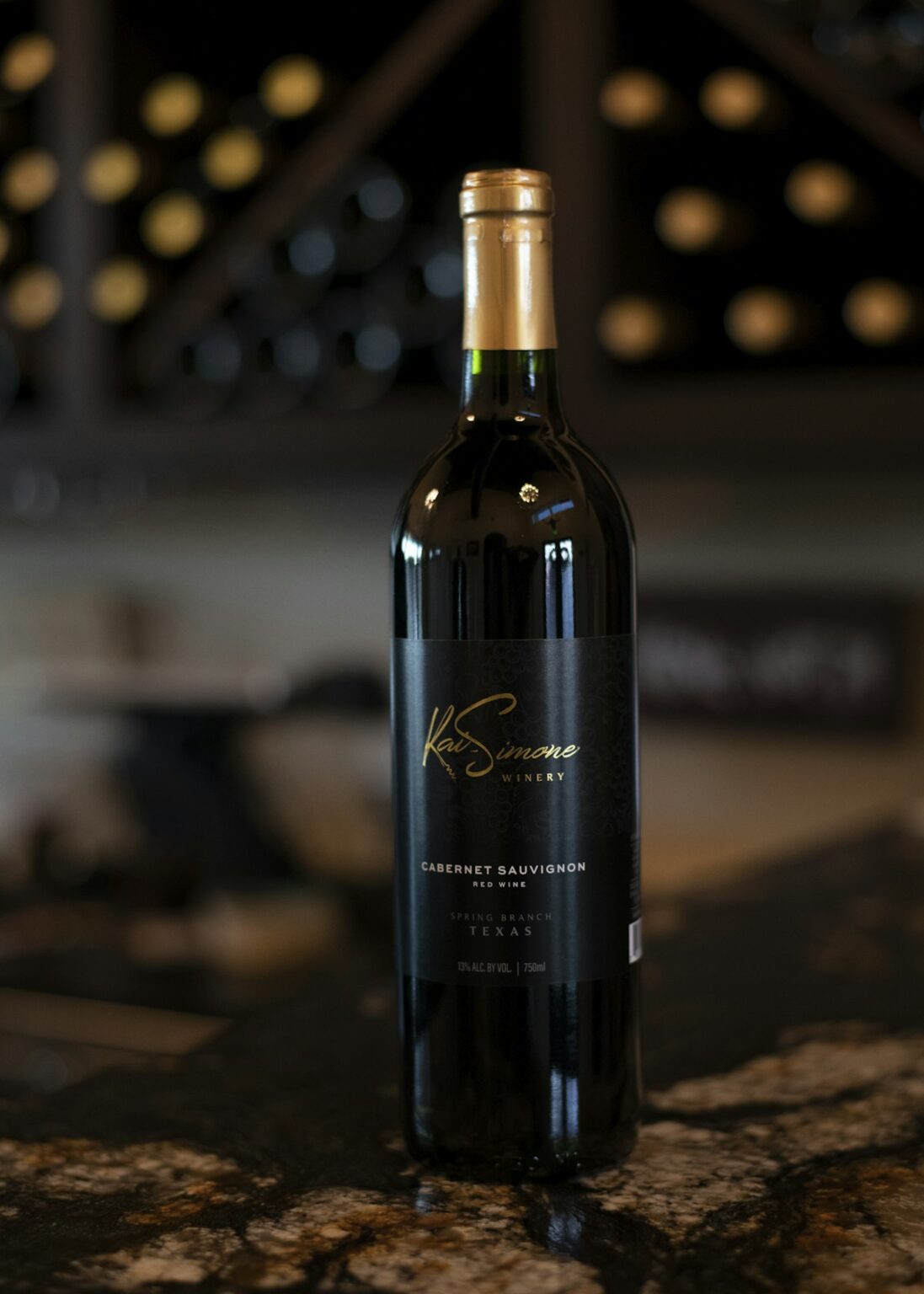
- Cheddar and Cabernet Sauvignon: Sharp cheddar meets bold Cab and they push each other in the best way. The tannins tame the cheese’s bite while the cheese mellows the wine.
- Goat Cheese and Sauvignon Blanc: Tangy cheese, citrusy wine. They’re Loire Valley soulmates and I’ve never met anyone who doesn’t enjoy this combo.
- Blue Cheese and Port: The sweet-salty contrast is what makes this a legend. I’ve converted self-proclaimed blue cheese haters with this one.
- Pecorino and Chianti: Salty, sheepy Pecorino with Chianti’s bright acidity is pure Tuscany. Regional pairings just hit different.
Modern Pairings
Moving beyond the classics opens up some genuinely exciting territory:
- Camembert and California Chardonnay: Camembert’s mushroomy depth with the buttery richness of a California Chard — decadent without being heavy. This one surprised me when I first tried it.
- Feta and Riesling: Feta’s salty tang harmonizes with Riesling’s sweetness in a way that’s addictively snackable. Great for summer afternoons.
- Asiago and Zinfandel: The nutty quality of Asiago with Zin’s jammy fruit is a fun combo that feels casual and unpretentious.
- Manchego and Rioja: Spanish cheese, Spanish wine. That’s what makes regional combos endearing to us wine lovers — they just belong together.
- Havarti and Pinot Noir: Creamy, gentle Havarti with Pinot’s bright acidity. This is the pairing I recommend to beginners because it’s nearly impossible to dislike.
Regional Pairings
Matching foods from the same place usually works because they literally evolved together. Here are the regional combos I keep going back to:
- Gruyère and Chablis: Both French, both nuanced. Gruyère’s nuttiness with Chablis’ mineral edge is quiet elegance on a plate.
- Mozzarella and Italian Pinot Grigio: Fresh, mild, and light — this is aperitivo in its simplest form.
- Roquefort and Sauternes: The sweet-salty French classic I could write a whole article about. If you try one pairing from this list, make it this one.
- Comté and French Chardonnay: Comté’s complex nuttiness with a lightly oaked Chard is a combo I discovered in the Jura region and haven’t stopped making since.
- Taleggio and Barbera: The fruity brightness of Barbera cuts through Taleggio’s washed-rind richness. Northern Italian perfection.
Texture Pairings
This is something most guides gloss over, but texture matters as much as flavor. Probably should have led with this section, honestly:
- Soft cheeses (Brie, Triple Cream) with Sparkling Wines: Bubbles and cream — the effervescence cleanses your palate between bites and keeps everything feeling fresh.
- Firm cheeses (Gouda, Gruyère) with Full-Bodied Whites or Medium Reds: These wines have enough structure to match the cheese’s heartiness without overwhelming it.
- Hard cheeses (Parmesan, Asiago) with Aged Reds or Robust Whites: Complex aged wines complement the mature, concentrated flavors in these cheeses.
- Blue cheeses with Sweet Wines: The sweetness counterbalances that salty, pungent punch. This contrast is what makes the magic happen.
Flavor Profiles
Thinking in terms of flavor intensity helps when you’re staring at options in the store:
- Mild cheeses (Ricotta, Mozzarella) with Light Whites or Rosé: Gentle wines that won’t bulldoze delicate cheese flavors.
- Rich, Creamy cheeses (Camembert, Époisses) with Lush Whites or Low-Tannin Reds: Match the luxury without creating a tannic clash.
- Nutty cheeses (Gruyère, Manchego) with Fruity or Spicy Reds: The fruit amplifies that savory sweetness in the cheese.
- Herbaceous cheeses (Goat Cheese with Herbs) with Crisp Whites: The wine’s brightness enhances and echoes those herb notes.
Specialty Pairings
For the more adventurous moments:
- Washed Rind cheeses with Sweet Wines: Strong flavors need sweet counterweight. Trust me on this — it tames the funk beautifully.
- Smoked cheeses with Robust Reds or Full-Bodied Whites: Smoke needs wine with enough weight to not get lost. Zinfandel and smoked Gouda is my top pick here.
- Truffle-Infused cheeses with Earthy Reds: Earthy meets earthy in the best way. A Barolo or aged Burgundy with truffle cheese is genuinely special.
Seasonal Pairings
I change my pairings with the seasons because what sounds good in August is different from what I crave in January:
- Spring: Fresh goat cheese with Sauvignon Blanc. Light, tangy, and refreshing — perfect as everything starts warming up.
- Summer: Burrata with rosé. Creamy, chilled, and effortlessly good on a hot evening.
- Autumn: Aged cheddar with Merlot. Robust and warming as the air gets crisp.
- Winter: Blue cheese with Port. Rich and hearty for cold nights by the fire.
Practical Tips
You don’t need expensive wines or rare cheeses for great pairings. Check local stores and farmers’ markets — you’d be surprised what’s available. Always serve cheese at room temperature (pull it out at least 30 minutes ahead — cold cheese tastes like nothing). Use separate knives for each cheese so flavors don’t bleed together. And put out some good crackers, fruit, and nuts alongside to round out the experience. The little details make the whole thing feel special.