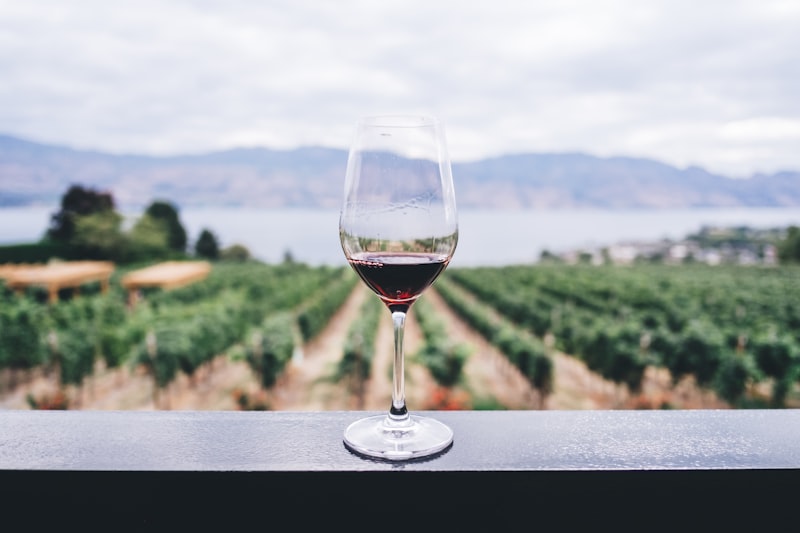
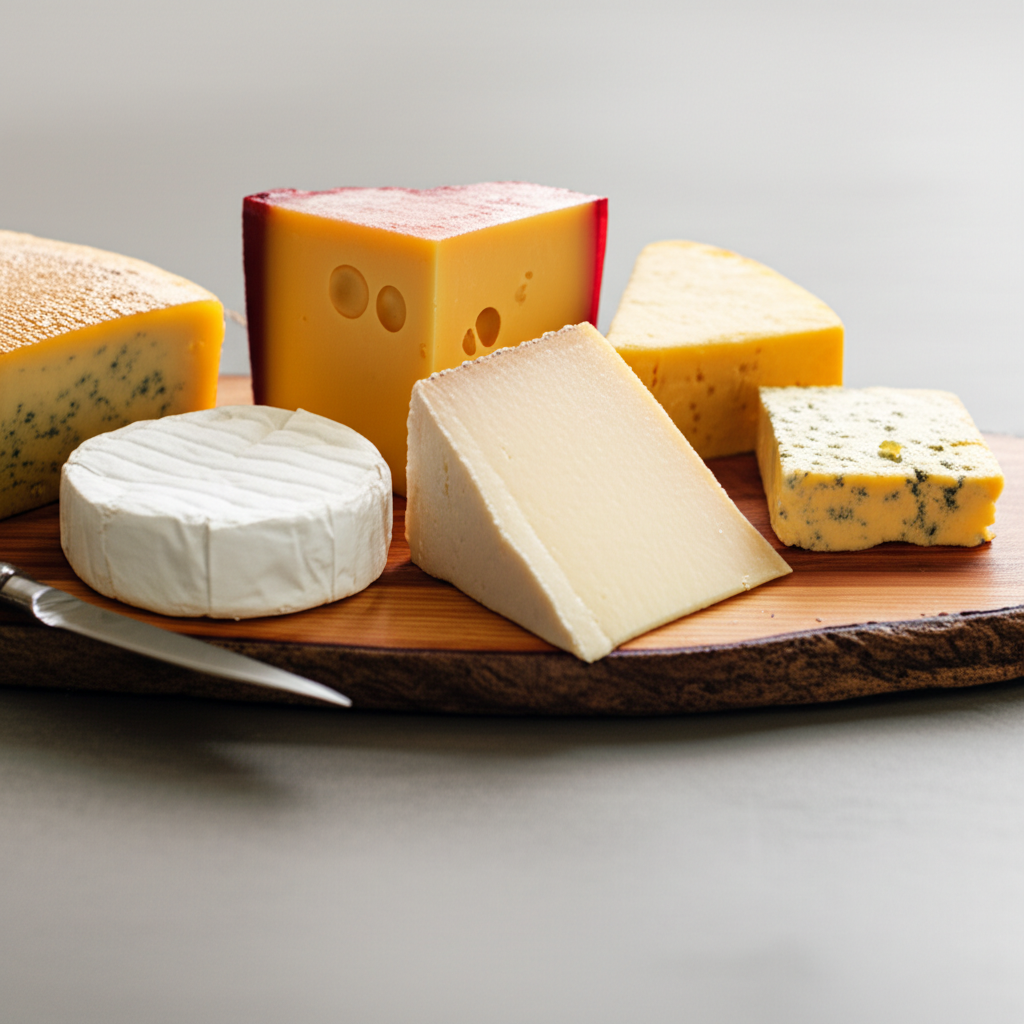
I’ve eaten a lot of cheese in the name of research. Some of it was a mistake. Most of it was wonderful. Here are the ones I actually keep buying.
The Reliable Favorites
Comté. French, nutty, slightly sweet, never offensive. I bring this to dinner parties when I don’t know what wine the host is serving because it works with basically everything. The 18-month aged version has more depth, but even the younger stuff is solid.
Manchego. Spanish sheep’s milk cheese with a firm texture and slight lanolin tang. Goes perfectly with Rioja and most Spanish reds. Also good with Albariño if you’re going white. I eat this with membrillo (quince paste) when I want to feel European.
Aged Gouda. The longer it’s aged, the more those caramel crystals develop. A 3-year Gouda with a big California Cab is one of my go-to combinations. Tastes like dessert without the sugar crash.
Fresh chèvre. Bright, tangy, spreadable. My fridge always has a log of this. Sancerre is the classic pairing but any crisp white works. I put it on everything—salads, toast, scrambled eggs.
The Special Occasion Cheeses
Époisses. French, washed-rind, smells like feet, tastes like heaven. This is for when you want to impress cheese people or scare everyone else. Pair with Burgundy—red or white both work. Don’t serve it cold or you’ll miss the whole point.
Roquefort. The king of blue cheeses, in my opinion. Salty, creamy, assertive. Needs sweet wine to balance it—Sauternes is traditional, but a good Vin Santo or late-harvest Riesling works too. Small portions; this one’s intense.
Parmigiano-Reggiano. The real stuff, aged 24+ months. Break it into chunks rather than slicing—the texture is part of the experience. Barolo or Barbaresco if you’re feeling fancy. Lambrusco if you’re feeling fun.
The Underrated Ones
Fontina. Italian, semi-soft, slightly funky. Melts beautifully but also great on a cheese board. More interesting than Swiss, less challenging than washed-rinds. Try it with Dolcetto or a light Barbera.
Humboldt Fog. American goat cheese with an ash line through the middle. Looks dramatic, tastes approachable. California Sauvignon Blanc or sparkling wine. This converted several people who “didn’t like goat cheese.”
Idiazabal. Basque sheep’s milk cheese, often smoked. Firm, nutty, with a hint of smoke that doesn’t overwhelm. Txakoli if you can find it, otherwise any crisp Spanish white.
How I Build a Cheese Plate
Three cheeses, maybe four. One soft, one hard, one interesting. Different milk types if possible—cow, sheep, goat. Different textures and intensities.
I don’t overthink it. If the cheeses are good and the wine is decent, the pairing works out. The point is enjoying yourself, not passing an exam.