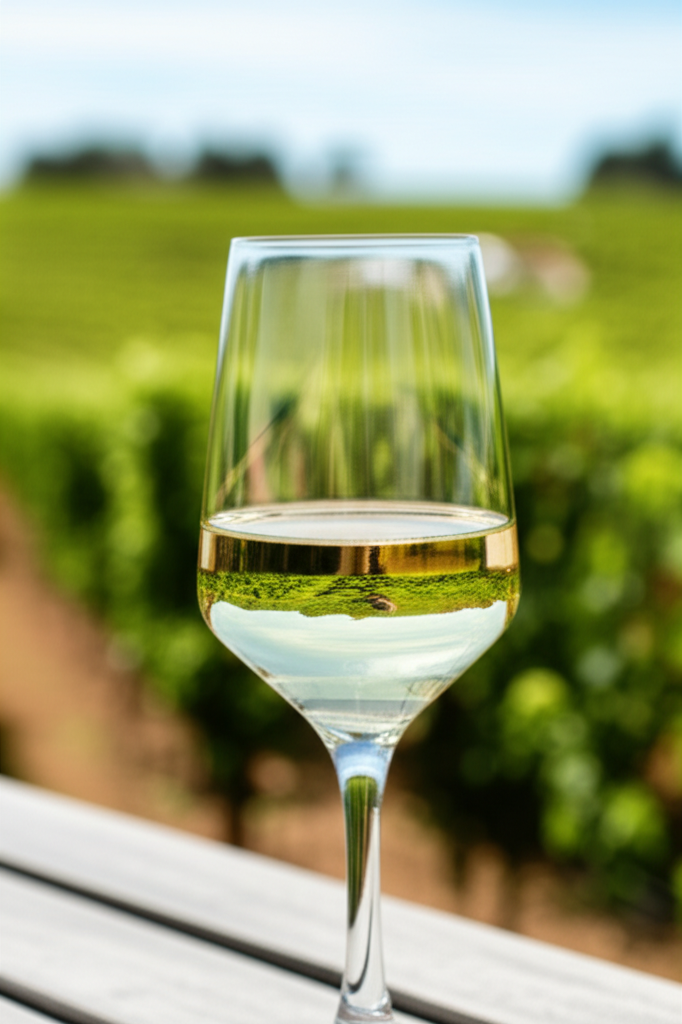
I probably drink more Sauv Blanc than any other white. It’s not because it’s my favorite—Chenin probably is—but because it’s versatile, widely available, and hard to mess up with food.
Why It Works So Often
High acid. That’s the short answer. Acidity makes wine food-friendly. It cuts through fat, complements salt, refreshes your palate. Sauv Blanc has acid to spare.
The herbal and citrus notes also play well with a lot of cuisine. Anything with fresh herbs? Sorted. Anything with lemon? Done.
The Pairings I Keep Coming Back To
Goat cheese. The classic. I’ve written about this a hundred times but it bears repeating. Loire wine with Loire cheese. The tang-meets-acid thing is genuinely transcendent.
Vietnamese food. Discovered this one late. The herbs in both (cilantro, mint, basil in the food; herbal notes in the wine) connect in a weird harmony. Summer rolls and Sancerre is now a regular thing for me.
Grilled fish with chimichurri. The wine’s herbaceous quality echoes the sauce. Both cut through the richness of the fish. Perfect warm-weather dinner.
Asparagus. People say asparagus is hard to pair with wine. Not with Sauv Blanc. The wine’s vegetal notes actually match the asparagus instead of fighting it.
Styles and Differences
Loire (Sancerre, Pouilly-Fumé): flinty, mineral, subtle citrus. My preference for delicate dishes.
New Zealand: grapefruit bomb, grassy, aggressive. Better with bolder flavors, spice, or on its own by the pool.
California: riper, less acidic, sometimes oaked. Different animal entirely. I’d use it differently.
What Doesn’t Work
Red meat. The wine’s too light and the herbal notes taste weird against beef.
Heavy cream sauces. The acidity can clash instead of complement. Reach for something richer.
Chocolate. Just don’t.
House Bottle Status
I keep Sancerre around the way some people keep milk. It’s the default, the fallback, the “what should we drink tonight?” answer. Not exciting, but consistently good.