The Short Answer — Yes, Slightly Chill Your Malbec
Do you chill Malbec wine? Yes. This is probably the most practical piece of wine advice I’ve ever given, and it took me far too long to learn it.
The ideal serving temperature for Malbec sits between 60 and 65 degrees Fahrenheit. That’s colder than what most people call “room temperature,” which in a heated modern home usually hovers around 70 to 75 degrees. The difference between these temperatures matters more than you’d think.
Here’s the practical takeaway: pull your Malbec from the cupboard, stick it in the fridge for 15 to 20 minutes, then pour. That’s it. You don’t need expensive wine chillers or complicated temperature-control devices. A standard refrigerator works perfectly.
I discovered this the embarrassing way. For years I served red wine at whatever temperature it happened to be sitting at, usually room temperature in my apartment. I genuinely believed warm was better. Then I attended a wine tasting at a small shop in Mendoza during a trip to Argentina, and the sommelier—a patient woman named Claudia—handed me the same Malbec I drank at home, except properly chilled. The difference was stark. Suddenly the wine tasted alive. The tannins weren’t aggressive. The fruit came through. I felt silly for all those years of drinking suboptimal wine in my own home.
A light chill transforms how Malbec tastes. It softens the alcohol burn that becomes obvious in warm wine. It brings out the dark fruit flavors—plum, blackberry, dark cherry. It makes the wine more refreshing. These aren’t subtle changes. Anyone can taste the difference, even casual wine drinkers.
Serving Temperature by Red Wine Type
Not all red wines taste best at the same temperature. The general rule follows the weight of the wine: lighter wines colder, heavier wines warmer. Here’s what actually works:
| Wine Type | Examples | Ideal Temperature |
|---|---|---|
| Light reds | Pinot Noir, Beaujolais, Grenache | 55–60°F |
| Medium reds | Malbec, Merlot, Sangiovese | 60–65°F |
| Full-bodied reds | Cabernet Sauvignon, Syrah, Barolo | 63–68°F |
Pinot Noir tastes best coldest. These wines have delicate flavors that heat destroys. At 55 to 60 degrees, they’re vibrant and silky. Warm them past that and you lose everything interesting about them.
Malbec occupies the middle ground. It’s substantial enough to handle 60 to 65 degrees without losing character. It’s not so heavy that it needs warmth. This temperature range works beautifully for Merlot and Sangiovese too.
Cabernet Sauvignon and other full-bodied reds tolerate more warmth. These wines have enough structure and tannin that they open up with temperature. You can serve them anywhere from 63 to 68 degrees depending on how bold you want the experience. A young, tannic Cabernet actually improves slightly warmer. A mature Cabernet with softer tannins works better cooler.
This matters because temperature affects how we perceive tannins. Cold wine tastes more structured and dry. Warm wine softens tannins and brings out alcohol. If you serve a bold Cabernet at 75 degrees, it tastes flat and hot. At 65 degrees, it’s magnificent.
Probably should have opened with this section, honestly, because it’s the most useful information here. But I learned it backward, through trial and error instead of from reading, so now I’m sharing it with you properly.
Why Most People Serve Red Wine Too Warm
The “serve red wine at room temperature” advice is centuries old. It’s also incorrect for modern life.
The phrase “room temperature” originated in Europe before central heating existed. An unheated castle, cellar, or sitting room in 18th-century France hovered around 55 to 60 degrees Fahrenheit. That was legitimately room temperature. Serving wine at room temperature meant serving it at the ideal temperature by accident.
Modern homes changed everything. Central heating keeps our rooms at 70, 72, 75 degrees or higher. We flipped a switch and made wine service worse without realizing it. Wine retailers, restaurants, and casual drinkers inherited advice that no longer applied. The tradition stuck around because nobody questioned it.
Warm red wine tastes objectively worse. The alcohol becomes pronounced. The flavors flatten out. You taste heat more than taste. If you’ve ever thought red wine was too “hot” or burning, that’s almost always a temperature problem, not a quality problem.
I tested this myself with a $25 bottle of Malbec from a grocery store. At 75 degrees—sitting in my kitchen for an hour—it was unpleasant. Harsh. I put the remaining wine in the fridge for 20 minutes and chilled it to 62 degrees. Same wine. Completely different experience. Better fruit. Better balance. It was actually enjoyable.
The warm-wine myth persists because it sounds sophisticated. Fine wine deserves special treatment, the thinking goes. Keeping it warm feels more luxurious than putting it in the fridge like beer. But luxury doesn’t matter if the wine tastes bad. Function beats appearance.
Quick Chill Methods That Actually Work
You have several options for getting red wine to the right temperature. Some work better than others.
The Refrigerator Method
This is the easiest. Put your Malbec in a standard fridge for 15 to 20 minutes. Most home refrigerators run between 35 and 40 degrees. A wine bottle sitting there for 15 minutes will land somewhere in the 58 to 62 degree range. That’s perfect for Malbec.
The math is simple enough: refrigerators cool things down faster when the temperature difference is greater. A room-temperature bottle at 72 degrees dropped into a 38-degree fridge loses about 1 to 1.5 degrees per minute for the first 20 minutes, then cools more slowly.
Set a timer on your phone. You’ll forget otherwise. I learned this when I chilled a bottle for what I thought was 20 minutes and actually gave it 45 minutes, ending up with wine that was too cold and needed 10 minutes of sitting to come back up to temperature. Annoying.
The Ice Bucket Method
The classic approach: fill a bucket with ice and water, submerge the bottle, wait about 5 minutes. This cools faster than a fridge because ice water is colder than a refrigerator, and the contact area is greater.
The key is using water along with ice. Ice alone doesn’t conduct heat efficiently. Water fills the gaps and makes the cooling much faster. A 72-degree bottle reaches about 60 degrees in five minutes with this method.
This works great if you’re entertaining or need wine ready quickly. Just watch the timing. Five minutes is usually right. More than that and you risk overshooting into too-cold territory.
Frozen Grapes as Ice Cubes
Here’s the elegant solution I discovered last year: freeze grapes and use them instead of regular ice cubes. As they melt, they become diluted grape juice instead of water. They don’t water down your wine.
Wash fresh grapes—red or green, doesn’t matter—spread them on a tray, and freeze overnight. Drop a few into your glass. They chill the wine without the watering-down problem of melting ice.
This feels more sophisticated than it is. Guests always notice. It’s a small detail that takes minimal effort, which is exactly the kind of thing that makes entertaining easier.
One limitation: this method works better for glasses than for whole bottles. If you’re chilling a full bottle, ice buckets or fridges work faster.
What to Avoid
Don’t use a freezer to chill wine quickly. Freezers go down to 0 degrees. A bottle can reach 50 degrees or lower in 10 minutes, which overshoots and requires more waiting for it to warm back up. Also, you risk accidentally freezing your wine solid or partially solid, which ruins the bottle.
Don’t wrap the bottle in wet paper towels and put it in the freezer thinking evaporative cooling will work faster. It doesn’t. It just makes a mess.
Don’t use ice cubes directly in red wine unless you’re making a wine spritzer. Regular ice melts and dilutes your wine. The frozen grapes method solves this.
Malbec Temperature Specifically
Malbec is forgiving with temperature, which makes it practical for everyday drinking. It tastes good anywhere from 58 to 68 degrees. That’s a wider window than Pinot Noir, which becomes flabby if you warm it much past 60.
Most Malbecs come from Argentina—Mendoza specifically. The region’s best bottles, from producers like Luigi Bosca and Catena Zapata, have this beautiful combination of fruit-forward character and structure that really comes alive at 60 to 65 degrees.
At 55 degrees, Malbec becomes slightly stiff. You can taste the tannins more aggressively. At 65 degrees, it opens up and the fruit takes center stage. At 72 degrees, it starts feeling flabby and the alcohol becomes noticeable.
For a $20 Malbec, you want it at 62 degrees. For a premium bottle from a winery visit or special occasion, aim for 60 to 63 degrees. Those extra details and complexity show better when the wine is properly chilled.
Temperature affects how much air your wine needs too. A warm Malbec needs less time breathing because it’s already expressing alcohol and volatiles aggressively. A properly chilled bottle benefits from 15 to 20 minutes of open-air time to develop.
Practical Temperature Testing
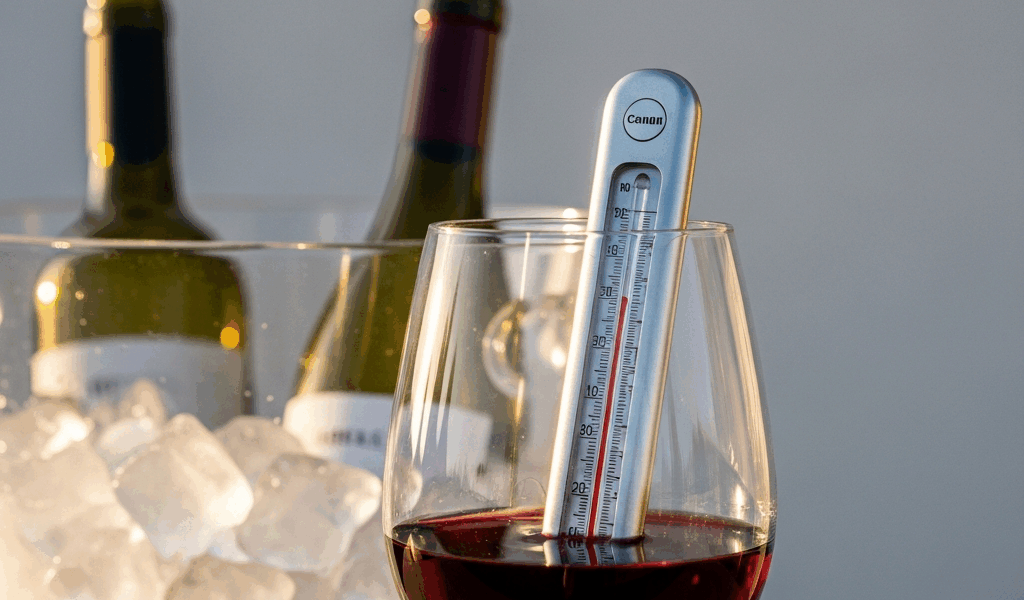
If you want to be precise, buy an instant-read thermometer. Ones like the ThermoPro TempSpike cost about $30 and give you exact temperatures in seconds. Stick the probe through the fo




Stay in the loop
Get the latest pairing with wine updates delivered to your inbox.