
Best Wine with Cheese
Finding the best wine to drink with cheese has gotten complicated with all the pairing charts and rules flying around. As someone who’s spent way too many evenings with a cheese board and an open bottle, I learned everything there is to know about what actually works — and what’s just hype. Let me walk you through the combos that have genuinely impressed me over the years.
Basic Pairing Principles
The rules are simpler than people make them sound. Match the weight of your wine to the weight of your cheese. A big, bold Manchego needs a wine with some substance. A delicate fresh chèvre gets overwhelmed by anything too heavy. Acidity, sweetness, texture — they all matter, but honestly, you’ll figure most of this out intuitively after a few tries.
Classic Pairings
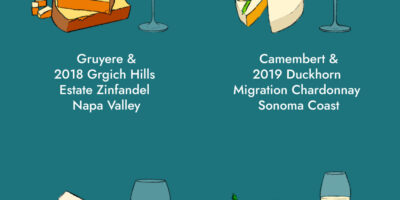
Brie and Chardonnay
I’ve come back to this combo probably a hundred times. Brie is soft, creamy, and just rich enough to need something with body. Oaked Chardonnay brings this buttery, almost vanilla quality that clicks with the cheese’s richness. It’s one of those pairings that feels luxurious without trying too hard.
Cheddar and Cabernet Sauvignon
Sharp cheddar and a good Cab is a power couple. The cheese’s tanginess stands up to the wine’s bold fruit and tannins, and the tannins actually cut through the cheese’s fat in a way that keeps every bite interesting. I like this best with a properly aged cheddar — two years minimum if you can find it.
Goat Cheese and Sauvignon Blanc
This is the pairing I recommend to everyone who’s just getting into wine and cheese matching. The tart, earthy goat cheese against the crisp, citrusy wine is just refreshing. It’s like a palate reset. I first had this in a wine bar in the Loire Valley and I still think about it.
Regional Pairings
Manchego and Tempranillo
There’s something about pairing foods from the same region that just makes sense. The Spanish figured this out centuries ago. Manchego’s firm, nutty quality with a Tempranillo’s cherry fruit and subtle spice — it’s harmony without effort. That’s what makes regional pairings endearing to us wine lovers — they’re time-tested and they rarely disappoint.
Roquefort and Sauternes
Okay, this one sounds weird if you haven’t tried it. Salty, pungent blue cheese with a honey-sweet wine? But the contrast is incredible. The sweetness of the Sauternes basically tames the Roquefort’s intensity, and what you’re left with is this complex, layered thing that neither can achieve alone. It’s my go-to “impress people at a dinner party” pairing.
Texture and Tannins
Creamy cheeses like Camembert and Brie need wines with enough acidity to cut through the richness — sparkling wines and Champagne are honestly ideal here. The bubbles act like little palate cleansers between bites. For hard cheeses like Parmesan or Pecorino, you want wines with more tannins and complexity. Aged reds like Barolo or Chianti can match that intensity. I learned this the hard way after serving a delicate Pinot Grigio with aged Pecorino and watching it disappear completely.
Fruity and Soft Cheeses
Soft cheeses tend to like fruit-forward wines. Merlot with Havarti has become one of my weeknight defaults — the wine’s berry notes with the mild, slightly sweet cheese is just comforting. Young Beaujolais with Brie or Camembert is another favorite, especially slightly chilled in warmer months. Probably should have led with this section, honestly, since it’s where beginners usually get the best results.
Cheese Boards and Wine Flights
When I’m hosting, I set up a board with at least three different cheese types and put out a few different wines. It’s basically a choose-your-own-adventure situation. Mix of white, red, and sparkling means nobody’s left out, and people love discovering their own favorite combos.
My standard setup:
- Soft and creamy cheese: Brie or Camembert with Champagne or Chardonnay.
- Hard and aged cheese: Cheddar or Gouda with Cabernet Sauvignon or Port.
- Blue cheese: Roquefort or Stilton with Sauternes or a big, bold red.
Experiment and Enjoy
Look, wine and cheese pairing isn’t rocket science. Personal taste matters more than any chart or guide. I’ve had “wrong” pairings that I ended up loving, and “classic” pairings that left me cold. The real fun is in trying things out, taking mental notes, and figuring out what works for you. Grab some friends, open a few bottles, lay out some cheese, and let everyone weigh in. You’ll learn more in one evening of tasting than from reading a dozen articles.