Why Wine and Sushi Is Actually Tricky
Wine and sushi has gotten complicated with all the conflicting advice flying around. As someone who spent years pointing at random whites on the menu and hoping for the best, I learned everything there is to know about what actually works. Today, I will share it all with you.
The short version: I failed constantly. The wine tasted off — bitter, sharp, occasionally like drinking vinegar next to raw fish. Turns out there are three specific reasons most pairings collapse, and once I understood them, everything changed.
Problem one is the vinegared rice. Sushi rice gets seasoned with rice vinegar, sugar, and salt. That combination is already acidic and assertive on your palate before you’ve taken a single sip. Layer an acidic wine on top of that, and your mouth gets stuck in a sour feedback loop. A crisp Sauvignon Blanc or unoaked Chardonnay — both seem like obvious choices — actually make this worse, not better.
Problem two: raw fish is genuinely delicate. Tannins — those compounds in red wine that create dryness and grip — obliterate the subtle, buttery texture of sashimi-grade salmon or the umami complexity of toro. One sip of Cabernet Sauvignon after raw fish tastes like drinking leather. The fish just disappears. Most wine guides tell you to skip reds entirely because of this. That’s where they’re wrong, but we’ll get to that.
Problem three is soy sauce and wasabi. Both hit high in salt and intensity. Combined with wine tannins and alcohol heat, they create a bitter, metallic aftertaste that ruins everything on the table. Probably should have opened with this section, honestly — it’s the reason I nearly gave up on wine with sushi altogether. Don’t make my mistake.
The Wines That Work Best and Why
Champagne and Dry Sparkling Wine
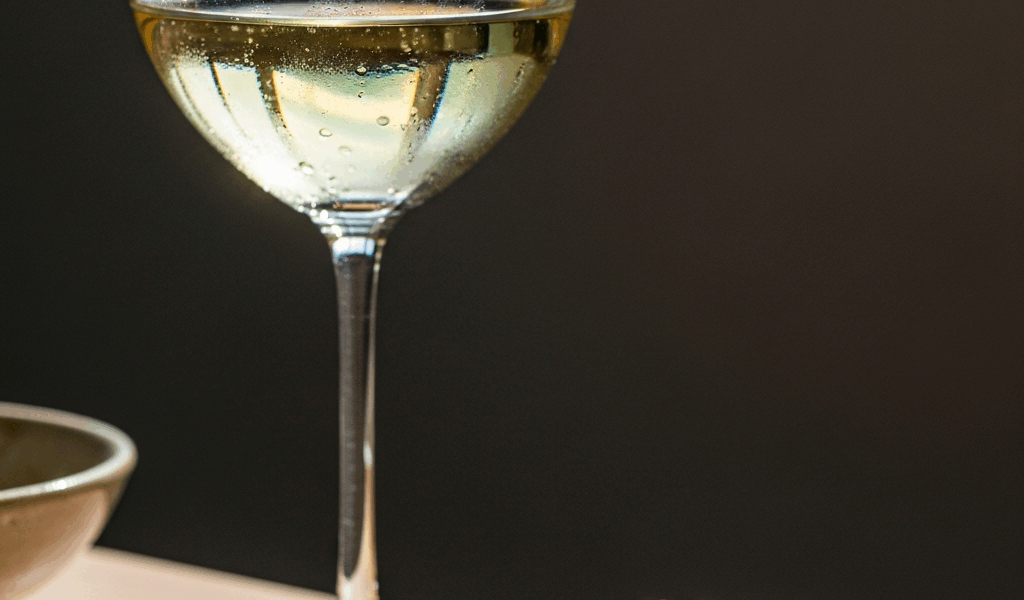
Champagne is the clearest win. But what is it doing here exactly? In essence, it’s cutting fat and resetting your palate between bites. But it’s much more than that. The bubbles physically break through the richness in fatty fish like salmon. The acidity is present, yes — but carbonation softens it, so you don’t get that acid pile-up. A good Brut Champagne, or a Cava or Crémant if the budget is tighter, cuts through the richness of rice and soy without fighting them.
I’ve taken the same bottle through three different sushi courses and it held up every time. Expect to spend $25–50 for something decent. Skip anything labeled “brut nature” unless austere is your thing — it tends to feel aggressive next to delicate fish.
Grüner Veltliner from Austria
This is the underrated hero. Bone-dry, mineral-forward, enough texture to stand up to umami-heavy ingredients without feeling heavy itself. That’s what makes Grüner Veltliner endearing to us sushi enthusiasts. The minerality actually plays alongside soy sauce instead of battling it. A $15–25 bottle from producers like Hirsch or Alzinger outperforms most Pinot Grigios at double the price. I’m apparently wired for mineral wines, and Grüner works for me while Italian Pinot Grigio never quite does.
Pinot Gris from Alsace
Alsatian Pinot Gris is fuller-bodied than its Italian counterpart — there’s a slight honey note that complements cooked sushi and fried components surprisingly well. The acidity runs softer than you’d expect, which keeps that acid-on-acid problem from showing up. Save this one for tempura rolls or shrimp dishes rather than pure sashimi. Budget around $18–30 for something with actual character.
Light Pinot Noir as the Red Edge Case
Someone at your table will insist on red wine. It happens. A light, low-tannin Pinot Noir from a cooler region — Oregon or California — served chilled to around 55°F instead of the usual 65°F becomes almost tea-like. The tannins soften. Red fruit comes forward. It doesn’t steamroll delicate fish. This only works alongside cooked components, though — shrimp tempura, crab rolls, grilled items. Never pair it with pure sashimi or toro. That’s a disaster.
Matching Wine to the Type of Sushi You Are Ordering
Sashimi and Nigiri
For pure, unadorned raw fish, go Champagne or Grüner Veltliner. Full stop. These have the finesse to let the fish do the talking without adding competing flavors on top. The bubbles in Champagne are especially useful here — delicate bites need palate-cleansing between them, and nothing does that faster.
Fatty Fish — Toro, Salmon, Mackerel
Champagne might be the best option, as fatty fish requires something that can actually cut through richness. That is because carbonation and acidity together do what acidity alone cannot. Alsatian Pinot Gris is the strong backup. The slight richness in the wine matches the fat without getting overwhelmed by it. You want wines that feel like they’re dancing with the fat — not throwing punches at it.
Spicy Rolls — Sriracha, Jalapeño, Spicy Mayo
This is where most people go badly wrong. Spicy sushi needs cool, dry wines that don’t amplify heat. Grüner Veltliner is perfect here. The mineral edge and dryness cool your palate without numbing it. Champagne works too, though spice and bubbles together can feel a bit aggressive — proceed carefully. Avoid anything oaky or rich. Spice plus oak tastes like burnt chili. Just don’t.
Vegetable and Cucumber Rolls
Lighter wines are the move. Pinot Gris or a dry Riesling — not off-dry, dry only — matches the crispness of these rolls without overwhelming them. The vinegared rice dominates here, so you want soft acidity, not sharp. Look for “Trocken” on German Riesling labels. That word means dry. It matters.
Cooked Sushi — Tempura, Shrimp, Crab
Cooked sushi is richer, so Alsatian Pinot Gris becomes the first choice. The honey note and fuller body complement fried textures in a way that lighter wines can’t quite manage. Light Pinot Noir also earns a spot here — cooking adds richness that can handle subtle tannins. Skip Champagne with tempura rolls, though. The bubbles feel too delicate against fried food. Odd pairing.
Wines to Avoid With Sushi and What Goes Wrong
Oaked Chardonnay
Oaked Chardonnay creates a bitter, metallic taste alongside soy sauce and wasabi. The oak tannins amplify the salt. Your mouth feels like you’ve licked a wooden spoon and then eaten seaweed. I learned this the hard way at a high-end omakase in 2019 — a $90 pour that tasted genuinely terrible with the meal. That was a painful lesson.
Full-Bodied Cabernet Sauvignon
Cabernet’s tannins and alcohol heat overwhelm raw fish entirely. The wine tastes aggressive. The fish vanishes. You’re left with tannin dryness, soy sauce salt, and nothing resembling a meal. Save Cabernet for steak. That’s its home.
Anything Very Tannic
Barolo, Nebbiolo, aged Bordeaux — high-tannin wines create a drying, astringent sensation that pairs horribly with sushi’s delicate flavors. You’ll taste the wine and only the wine. The meal essentially stops existing.
What to Order if the Wine List Is Limited
Restaurant wine lists often lack finesse. So, without further ado, let’s dive into the hierarchy. First, scan for Champagne or any sparkling wine — even budget options perform reasonably well here. Second, look for unoaked whites, dry Riesling, or Grüner Veltliner. Third, consider rosé if it reads dry — it usually does. Last resort: skip the wine terminology entirely and tell the server “something light, crisp, and dry.” Most servers understand that phrasing far better than “Grüner Veltliner.” Use the language that gets you the right bottle, not the language that sounds impressive.


Stay in the loop
Get the latest pairing with wine updates delivered to your inbox.