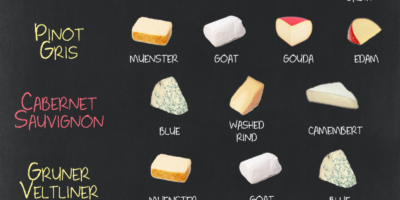

White wine pairing has gotten complicated with all the outdated red-wine-centric advice flying around. As someone who discovered white wine’s incredible versatility after years of defaulting to red, I learned everything there is to know about matching white wines with food. Today, I will share it all with you.
Why White Wine Is Trending
Probably should have led with this section, honestly. Several factors are driving white wine’s surge in 2025. Lighter drinking styles are in fashion. Climate change is producing riper, more expressive whites. And frankly, white wine is more food-friendly than many people realize — it handles a wider range of cuisines than red wine typically can.
That’s what makes white wine endearing to us modern wine lovers — a really exceptional Burgundy or German Riesling showcases what wine can be without the heaviness that sometimes accompanies big reds.
White Wine Weight Classes
Light and crisp whites include Pinot Grigio, Sauvignon Blanc, Muscadet, Vinho Verde, and Albariño. High acidity, minimal oak, flavors of citrus and green apple. Perfect for appetizers, salads, light seafood, and anything with bright, fresh flavors.
Medium-bodied whites include unoaked Chardonnay, Grüner Veltliner, Chenin Blanc, and Vermentino. More texture and complexity while retaining good acidity. These handle chicken, pork, richer fish, and cream sauces beautifully.
Full-bodied whites include oaked Chardonnay, white Burgundy, Viognier, and white Rhône blends. Rich, often buttery or honeyed, with lower acidity. They stand up to lobster, roasted poultry, even some pork dishes.
Classic White Wine Pairings
Sauvignon Blanc with goat cheese salad is legendary for good reason. The wine’s grassy, herbaceous notes echo the cheese’s tanginess, while its acidity slices through the richness.
Chardonnay with lobster works because both are luxurious. The wine’s richness matches the lobster’s sweetness, and a touch of oak adds complexity without overwhelming.
Riesling with spicy Asian cuisine is one of wine’s great discoveries that changed how I think about pairing. The wine’s sweetness (even in dry styles) tempers spice, while its acidity cleanses the palate. Thai, Vietnamese, Korean — Riesling handles them all.
Albariño with seafood is Spain’s coastal classic. The wine’s salinity mirrors the ocean, and its bright acidity keeps everything fresh.
The Underrated Whites to Explore in 2025
Grüner Veltliner from Austria is a sommelier favorite that deserves wider recognition. Crisp, peppery, with a distinctive white pepper note. Incredibly food-friendly.
Chenin Blanc from South Africa or the Loire Valley is one of wine’s most versatile grapes. It can be bone-dry or lusciously sweet, always with mouthwatering acidity.
Vermentino from Sardinia or the Italian coast offers Mediterranean sunshine in a glass. Herbal, citrusy, with a hint of almond.
Assyrtiko from Santorini is mineral-driven and intensely focused. The volcanic soils give it a distinctive salinity that seafood lovers adore.
White Wine Temperature Matters
Most people serve white wine too cold. Straight-from-the-fridge temperatures (around 38°F) mute flavors and aromas. Better to let your white warm up slightly — around 45-50°F for lighter styles, 50-55°F for richer whites.
If your Chardonnay tastes boring, it might just be too cold. Give it fifteen minutes on the counter and taste again. You might be surprised at the difference.
Explore Wine Styles
More wine guides: Red Wine Pairings | Rosé Guide | Sparkling Wines. For all varieties, see our Complete Wine Varieties Guide.